As we move toward 2026, the printing industry is evolving faster than ever. Advances in technology, growing sustainability expectations, and new customer behaviours are reshaping how businesses and individuals approach their print projects. For Edmonton organizations preparing for another year of rapid change, choosing the right print partner has never been more important.
The printing industry in Edmonton continues evolving in response to technology, environmental priorities, and changing customer expectations. As organizations move into 2026, print no longer functions as a static output. It plays an integrated role in branding, communication, and customer engagement.
Businesses and individuals now expect printing services to deliver speed, flexibility, and responsible production. These expectations influence how print providers invest in equipment, materials, and workflows. The future of printing services in Edmonton reflects a broader shift toward smarter systems that balance creativity, efficiency, and sustainability.
Print remains essential, but its role has matured. Instead of volume driven production, modern printing focuses on precision, relevance, and long term value.
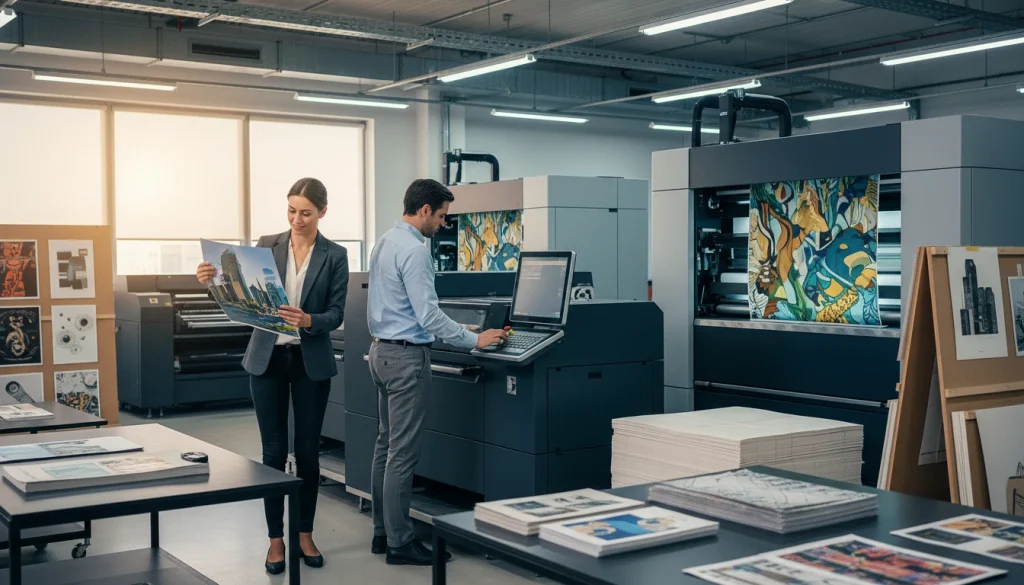
Automation continues reshaping how printing services operate. In 2026, workflow efficiency has become as important as print quality itself. Advanced automation tools streamline file preparation, proofing, scheduling, and production management.
Automated preflight systems reduce errors before printing begins. These systems catch resolution issues, color inconsistencies, and formatting problems early, which saves time and reduces material waste. Faster approvals also shorten turnaround times without compromising accuracy.
Intelligent scheduling tools allow print providers to optimize press usage and production flow. This approach minimizes downtime and supports consistent delivery timelines, especially for time sensitive projects such as event signage or promotional campaigns.
These improvements benefit both print providers and clients by creating predictable, reliable production cycles.
Sustainability now influences nearly every print decision. Edmonton organizations increasingly evaluate the environmental impact of materials, inks, and production methods before approving print projects.
In 2026, professional printing services prioritize recycled and responsibly sourced substrates. Certified papers, reusable fabrics, and recyclable materials support sustainability goals without compromising appearance or performance.
Low emission inks and energy efficient presses reduce environmental strain during production. These practices also improve indoor air quality and workplace safety, which benefits both employees and clients.
Sustainability also affects project planning. Accurate quantities, reusable signage systems, and durable materials reduce waste over time. Businesses increasingly prefer signage and displays that support multiple uses rather than single events.
Large format printing in Edmonton continues expanding as brands seek greater visual impact in competitive spaces. In 2026, large scale graphics combine improved durability with enhanced visual quality.
Advances in digital press technology support higher resolution output and consistent color reproduction across large surfaces. These improvements ensure brand accuracy on banners, wall graphics, window displays, and outdoor signage.
Durability has become a priority. Weather resistant substrates and protective coatings extend lifespan without relying on environmentally harmful treatments. Long lasting materials reduce replacement frequency and support sustainability goals.
Large format printing also supports modular systems. Interchangeable panels and reusable frames allow organizations to update messaging without replacing entire displays.
Small format printing continues playing a vital role in communication. Brochures, flyers, inserts, and informational signage remain essential touchpoints.
In 2026, small format printing in Edmonton increasingly integrates digital interaction. Scannable elements connect printed materials to online content, videos, or updated information. This approach extends the lifespan of printed pieces by keeping content current.
Short run digital printing supports flexibility. Businesses adjust messaging quickly without maintaining large inventories. This capability reduces waste and allows faster response to changing market conditions.
Improved paper quality and finishing techniques ensure that small format materials maintain a professional, premium appearance despite shorter production cycles.
Sign printing in Edmonton reflects higher standards for durability, clarity, and environmental responsibility. Organizations now expect signage to perform consistently across indoor and outdoor environments.
Modern sign printing emphasizes materials that resist fading, moisture, and wear. Improved ink technology supports color retention even in challenging conditions.
Reusable signage systems also gain popularity. Directional signs, event graphics, and promotional displays increasingly use components that adapt to new messaging without full replacement.
These developments reduce waste while supporting professional presentation across multiple applications.
Print no longer competes with digital platforms. Instead, it complements them. In 2026, printing services increasingly design materials that bridge physical and digital experiences.
QR codes, near field communication elements, and augmented reality features extend engagement beyond the printed surface. These tools allow print to act as an entry point rather than a final destination.
Integration improves measurability as well. Businesses track engagement and performance through connected digital experiences while retaining the credibility and permanence of print.
This hybrid approach ensures print remains relevant in an increasingly digital environment.
Despite digital communication growth, demand for premium personal printing remains strong. Life events and milestones continue driving interest in high quality printed materials.
Event stationery and custom keepsakes emphasize tactile quality and craftsmanship. Clients select textured papers, minimalist designs, and sustainable materials that reflect personal values.
Personal printing benefits from the same technological advancements as commercial projects. Improved digital presses and finishing options deliver consistency, detail, and customization.
Print remains one of the most meaningful ways to commemorate important moments.
The future of printing services in Edmonton reflects balance. Technology improves efficiency without replacing craftsmanship. Sustainability supports responsibility without limiting creativity. Customization enhances relevance without slowing production.
Print providers that invest in modern equipment, sustainable practices, and skilled expertise remain well positioned for 2026 and beyond. Businesses and individuals benefit from printing services that adapt to changing expectations while maintaining reliability.
Print continues to serve as a powerful communication medium because it evolves alongside its audience.
Printing services focus more on automation, sustainability, and customization while maintaining high quality output.
Yes. Many clients now expect environmentally responsible materials and production methods as a baseline.
Print remains valuable because it offers permanence, credibility, and physical engagement that digital media cannot replace.
Customization often improves efficiency and relevance, which can offset costs compared to generic mass production.
Yes. Digital printing allows scalable solutions that work for both small and large organizations.
The future of printing services in Edmonton points toward smarter systems, responsible production, and deeper integration with digital experiences. Advances in automation, materials, and customization continue redefining how print supports communication and branding.
As expectations rise, print providers adapt by prioritizing efficiency, sustainability, and flexibility. These changes ensure print remains relevant, effective, and aligned with modern values.
In 2026, printing continues to evolve, not by abandoning tradition, but by refining it to meet the demands of a changing world.